

The perceived stability of the national economy impacts the willingness of the healthcare industry...
What is a Community Health Center?
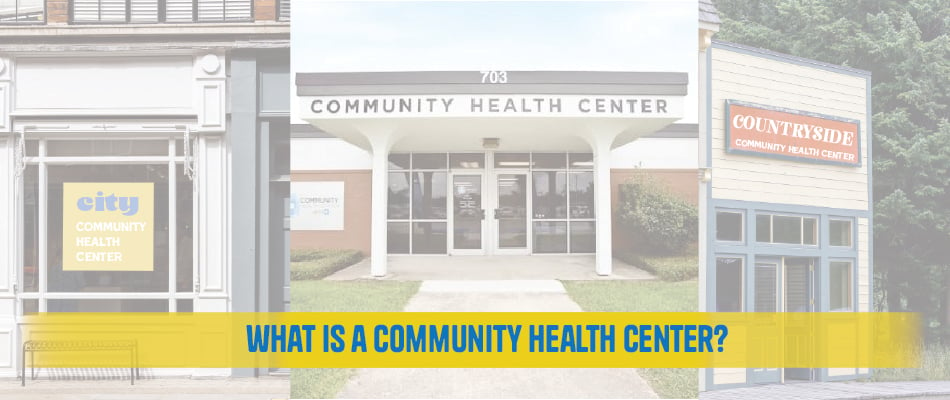
This week is National Health Center Week, a week of focusing on community health centers (CHCs) and the vital roles they play in communities across the country. These 1,512 CHCs provide comprehensive healthcare services to 52 million patients living in over 17,000 communities. The week, organized by the National Association of Community Health Centers (NACHC), chose as its 2026 theme "Building Innovative Care Where It Matters Most" with an emphasis on the creative innovations and solutions used by CHCs to provide "high-quality, patient-centered care" in their community service area. In today's post, we'll look at just what these health centers are, and why they are so important to so many communities.
Let's start with a definition. A community health center (also be referred to as a Federally Qualified Health Center or FQHC, is a local (usually in a healthcare desert), non-profit clinic that provides affordable medical care to everyone regardless of insurance or financial situation. They have been operating in the US since the 1960s with pilot programs funded by the Office of Economic Opportunity as Neighborhood Health Centers in Massachusetts and Mississippi.
Who do CHCs serve?
Community health centers treat every person; no one is turned away. They are often found in healthcare deserts (areas with a low concentration of heath care services and personnel) such as rural locations, remote towns, high-poverty urban regions, and communities with a high concentration of immigrants, migrant workers, or other undocumented individuals. About 90% if health center clients live at or below 200% of the federal poverty level. By law, the centers' governing boards are made up of individuals who use the clinic themselves, keeping decision-making close to the community served.
Because clinic clientele are often uninsured or struggling economically, paying for services is handled in a unique way. CHCs provide a sliding fee scale depending on income and family size, so everyone pays only what they can afford, even nothing at all.
What services do CHCs provide?
Community health centers provide preventative care for chronic diseases such as diabetes andhigh blood pressure, prenatal and maternal care for pregnant women, pediatric care including immunizations and well visits, as well as mental health, dental, vision, and acute care for all ages. They provide routine physical exams and checkups to try to find issues before they become life-impacting problems. They also help facilitate support from other community agencies and groups to help access healthy foods, employment training, housing, substance abuse programs, and help with administrative tasks associated with services, taxes, and other government affairs.
How Are CHCs Funded?
CHCs are funded through a combination of reimbursement through Medicaid, Medicare, private insurance, and federal and state grants. A large part of those grants come from the HRSA Community Health Center Fund, from the Health Center Program authorized in Section 330 of the Public Health Services Act.
What does the future hold for CHCs?
The biggest challenge faced by CHCs is capacity: The growing demand for affordable care has CHCs around the nation straining to meet the needs. While recent years have seen more philanthropic and private grants helping keep doors open, it is calculated that half of CHCs have less than 90 days cash on hand for operations and are operating at a loss. The freeze in federal funding in February 2025 forced many rural CHCs to close or reduce hours. Federal funding is set to expire this year, meaning disruptions in care loom in the future. In addition, the One Big Beautiful Bill Act (HR.1) will likely result in an increase in uninsured citizens, who will have to turn to CHCs for their care
What can I do to help CHCs?
Vote for candidates who overtly support federal funding for community health care programs, including:
Health Center Funding: See bipartisan efforts by Representatives Gus Bilirakis (R-FL) and Diana DeGette (D-CO) and Senators Roger Wicker (R-MS) and Jack Reed (D-RI).
Workforce Investment: Email or call your Members of Congress to support the bipartisan Health Care Workforce Innovation Act (H.R. 935/S. 4254) for grants to offer apprenticeship, career laddering and preceptorship programs in the healthcare field to high schools and community colleges.
Telehealth Support: Congressional action is needed to protect patient access to telehealth, including mental health visits and extending Medicare telehealth flexibilities.
340B Drug Program: This program allows CHCs to purchase outpatient drugs at a significant discount and pass those savings on to clients.
Medicaid: As a whole, the Medicaid program is vital to CHCs. Half of their clients are insured through Medicaid, which reimburses their care.
Let's remember the critical role CHCs play in our communities this week and beyond. Speak up about their importance, and try to provide facts to those who may have some misunderstandings or myths about how CHCs operate. Together, we can ensure that even our most vulnerable neighbors receive the quality health care they deserve.
![[infographic] Public Health Systems Download and share!](https://no-cache.hubspot.com/cta/default/216314/interactive-177841523491.png)